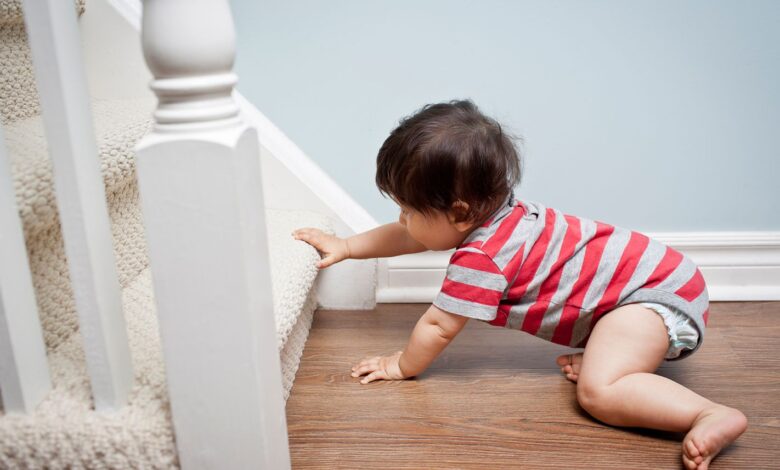
One of the most challenging times in a child’s growth and development is the toddler stage when they become independently mobile and very energetic. This phase requires you to be very vigilant as a parent and caregiver as any slight moment of inattentiveness may result in fatal accidents and injuries to your bundle of joy. The inevitable part is that we can not deter our toddlers from moving around as it is part of the growth and development journey as they exercise their curiosity plus if we don’t get to see them behaving like that at that stage, it becomes worrisome.
Babies do not yet have a sense of danger and they exercise their curiosity through touch, putting things in their mouths and just venturing into spaces without awareness. Injuries and other accidents have a negative impact on the overall health and wellness while they also may impact the child’s future.
Some of the common accidents are falls, cuts, poisoning, chokes and burns. Drowning is also the most prevalent cause of death for children in the 1-4 years age range (Centers for Disease Control and Prevention, 2025). As parents and caregivers we have to protect our toddlers from such by accident proofing our homes, so let us explore how you can do that in every room of your house.
JOIN OUR WHATSAPP GROUP FOR UPDATES
1. How to child proof your kitchen
The kitchen is the most dangerous room in the house with a potential to cause burns, cuts, chokes and poisoning if not accident proofed. You can child proof by:
- Lock away all knives and sharp object in cupboards
- Place containers with hot contents away from the edges of the tables or counter tops and do not place them on the floor.
- Place detergents and other cleaning substances out of the toddler’s reach
- Always wipe the kitchen floor at times when the child is not in the room to avoid slipping
- Make sure the cupboard locks are intact and always locked
- Ensure that pot handles are not protruding while cooking on the stove.
- Ensure that any objects that are stored on high places are secured to prevent them from falling onto the toddlers
- Make sure that electric appliance are well secured and there are no live wires exposed.
2. Childproofing your Lounge and dining rooms
This is the space where the child spends most of their time playing, eating and perhaps watching the television so it should be safe at all times. This is what you can do:
- Remove perched objects from elevated places and those that have a potential to fall, like standalone lamps, to prevent them from falling onto the child.
- Secure appliances like televisions
- Ensure that electric cables and sockets/ outlets are not within the reach of the child
- Install lockable gates on stair cases to prevent the child from ascending and descending the stairs on their own.
- Secure sharp corners on your furniture with guards.
- Always make sure they are playing away from windows and also proof your windows.
3. Childproofing your Bathrooms
This is a room they may be very curious about because they do not get to be in here a lot. Proof it by:
- Prevent slipping by installing or using anti-slip mats
- Always keep the door closed
- Store detergents and medications in lockable cabinets
- Always be present with the child in the bathroom
- Do not leave containers with water in the bathroom as this poses danger of drowning regardless of the amount of water.
- Install a safety lock on the toilet chamber cover to prevent drowning
- Ensure all taps in the bathroom are not leaking or loose to avoid burns in case of the child opening the hot water tap
4. Childproofing the Bedroom
- Make sure furniture is secure to prevent it from falling onto the baby
- Make sure the crib is secured to prevent the child from slipping out unattended as this may result in falling
- Always tuck the child in bed securely
- Make sure the crib is positioned away from objects that the baby can easily pull or push
- Make sure that there are no plastic bags lying around the room to prevent suffocation
- If your child has their own nursery room, make sure it is not too far away from your room for quick reactions in cases of alarm.
- You may also make use of baby monitors and/ or install security cameras
- Put the baby to sleep on it’s back to prevent suffocation
ALSO READ
Other general ways to childproof your home
- Make sure toys are safe to play with
- Use age appropriate toys to prevent choking
- Feed the child with age appropriate food to prevent choking
- Teach your child to not touch hot surfaces
- Always keep your external doors closed
- Always feed the child on time to avoid them looking for food on their own in your absense
- Always supervise your child in all activities
JOIN OUR WHATSAPP GROUP FOR UPDATES
Childproofing your home does not require expensive renovations. Small changes such as locking cabinets, covering outlets, and securing furniture can greatly reduce injury risks for babies and toddlers. Creating a safer environment allows children to explore confidently while supporting healthy development and giving parents greater peace of mind.
Sources
- UNICEF- How to babyproof your home. Simple steps to help keep your little one safe.
- Centers for Disease Control and Prevention- Preventing Drowning
- https://childcare.gov/consumer-education/support-my-childs-health-development/keeping-children-safe
Written by:
Laura Mlambo
Medically Reviewed by:
This article was reviewed by the OhHealthWorld Editorial Review Team using credible health resources and public health guidance to ensure accuracy and clarity for readers. Information is intended to support general wellness education and should not replace advice from a qualified healthcare professional.
Last Updated:
19 May 2026