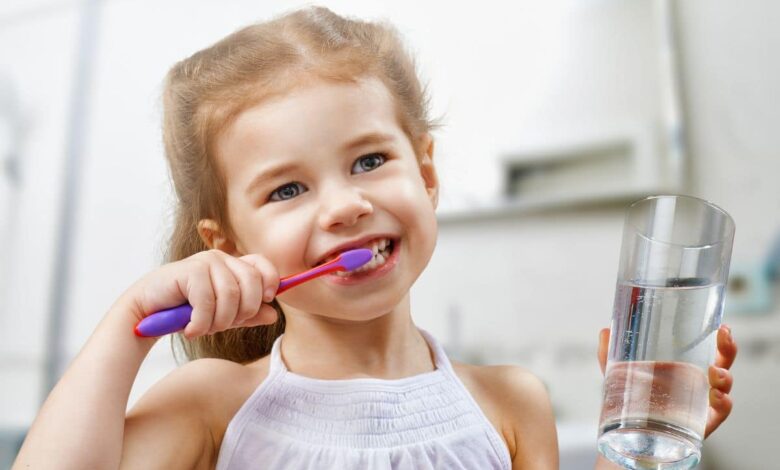
According to the World Health Organization 2025, oral diseases affect nearly 3.7 billion people globally, and untreated tooth decay is one of the most common health conditions. In as much as it may seem like a not-so-important part of health, oral health is a critical component of one’s overall health and wellness with far reaching consequences if not tackled well early on in a child’s life.
Good oral hygiene is an essential part of a child’s overall health and development right from pregnancy to breastfeeding period to adolescence. Healthy baby teeth help children chew properly, speak clearly, and hold space for permanent teeth. Unfortunately, dental problems remain common among children worldwide. Establishing good dental habits early can help parents protect their children from pain, infections, and costly dental treatments later in life.
JOIN OUR WHATSAPP GROUP FOR UPDATES
Why Oral Health Matters in Children
We can never under estimate the role that parents, caregivers and teachers play in the oral health of children and even their futures and this is because infant oral health is the foundation on which we can ensure preventable oral diseases are avoided in our children’s adulthood years (American Academy of Pediatric Dentistry).
Many parents assume baby teeth are not important because they eventually fall out but primary teeth play a major role in a child’s development. They help children chew food properly, which supports good nutrition. Healthy teeth also contribute to proper speech development and confidence as children grow. Poor oral health can lead to pain, difficulty eating, poor school performance, and infections that may spread if left untreated as well as delayed development to poor self-image and socialization according to the National Institute of Dental and Craniofacial Research.
Stage appropriate Dental care
During pregnancy
Dental care starts when the baby is still in their mother’s womb ( Shocked? I know.). Yes, dental care starts with the mother eating healthy since the baby’s teeth start to develop from 3 to 6 months during pregnancy (American Dental Association). Having a balanced diet as the mother helps your baby to develop teeth the right way.
Birth to the first tooth
This is around 6 months right when you are exclusively breastfeeding. Oral hygiene should begin before a baby’s first tooth appears. Parents can gently wipe their baby’s gums with a clean, soft, damp cloth after feeding. This helps remove bacteria and milk residue while creating a healthy oral care routine early in life. The American Dental Association recommends cleaning infant gums regularly to reduce harmful bacteria buildup.
It is also important to ensure that as a caregiver and mother, you don’t share spoons and bottles belonging to your baby with yourself or other older individuals as this might transfer harmful bacteria to the baby. Also limit the use of a pacifier as this may cause bruising of gums to your baby.
First Tooth to Age 3
Once the first tooth erupts, brushing should begin immediately. Use a soft-bristled toothbrush designed for infants and a tiny smear (rice-sized amount) of fluoride toothpaste for children younger than three years old. Parents should brush their child’s teeth twice daily in the morning and before bedtime. Nighttime brushing is especially important because bacteria can grow while a child sleeps.
3 years to 8 years old
From 3 years up to about 8 years parents should supervise and monitor their children’s dental hygiene. This stage requires the child to still brush twice daily. Children aged three to six can use a pea-sized amount of toothpaste (American Dental Association). As children grow older, parents should teach them proper brushing techniques. Encourage brushing for two minutes and ensure all tooth surfaces are cleaned. Young children may not have the coordination to brush effectively, so parents should supervise until around ages 6-8.
Tips:
- Use fun toothbrushes with favorite cartoon characters
- Play songs while brushing
- Teach flossing once teeth begin touching
- Encourage the intake of fruits and other healthy foods and limit sugary foods and less healthy snacks.
- Making oral care fun helps children develop long-term healthy habits.
Healthy Foods for Strong Teeth
Nutrition plays a major role in oral health. Foods rich in calcium, phosphorus, and vitamins help strengthen teeth and gums. Breastfeeding exclusively within the first 6 months is recommended to prevent tooth decay. As the child grows older, parents should encourage children to eat milk, cheese, yogurt, leafy vegetables, fruits and lean proteins.
Sugary drinks, sweets, and sticky snacks should be limited because they increase the risk of cavities. The World Health Organization recommends reducing sugar intake since sugar is the chief culprit in causing dental carries which cause tooth decay.
Common Dental Problems in Children
Cavities– Often caused by poor brushing habits and sugary foods.
Gum Disease– Can result from plaque buildup and poor oral hygiene.
Tooth Grinding– Some children grind their teeth while sleeping.
Thumb Sucking– Prolonged thumb sucking may affect tooth alignment.
Baby Bottle Tooth Decay– Sleeping with bottles containing milk or juice may increase cavity risk. The American Academy of Pediatric Dentistry pointed out that frequent and nocturnal bottle feeding especially beyond 12 months exposes the baby to Early Childhood Carries.
When Should Children Visit the Dentist?
A child should visit a dentist by their first birthday or within six months after the first tooth appears. Early dental visits help detect problems before they become severe. Regular dental checkups also teach children to feel comfortable around dental professionals. Parents should schedule routine visits every six months unless advised otherwise.
Signs Your Child Needs Immediate Dental Care
Seek dental care if your child experiences:
- Tooth pain
- Swollen gums
- Bleeding gums
- Difficulty chewing
- Persistent bad breath
- Loose teeth caused by injury
These symptoms may indicate infections or other dental concerns that need prompt treatment.
How to Prevent Dental Problems
Parents can help prevent oral health issues in their children by:
- Brushing twice daily
- Limiting sugary snacks
- Scheduling regular dental checkups
- Encouraging water instead of sugary drinks
- Using fluoride toothpaste
- Providing protective mouthguards during sports
Consistent prevention is far easier than treating dental problems later.
ALSO READ
Good oral hygiene habits should begin early and continue throughout childhood. Teaching proper brushing techniques, scheduling regular dental visits, and providing healthy foods can protect your child’s teeth and overall health. Healthy teeth support proper nutrition, speech, and development making oral care an important part of your child’s wellness journey. You can also explore our articles on complementary feeding and child growth and development to support your child’s overall development.
JOIN OUR WHATSAPP GROUP FOR UPDATES
Sources
- World Health Organization- Oral Health Fact Sheets 2025.
- Centers for Disease Control and Prevention- Oral Health Facts.
- American Dental Association- Oral Health Recommendations for Children: Give Kids a Smile Program.
- National Institute of Dental and Craniofacial Research. Oral Health in America: Advances and Challenges. US Department of Health and Human Services, National Institutes of Health; 2021. Accessed May 14, 2026.
- American Academy of Pediatric Dentistry. Perinatal and infant oral health care. The Reference Manual of Pediatric Dentistry. Chicago, IL: American Academy of Pediatric Dentistry;2025:337-41.
Written by:
Laura Mlambo
Medically Reviewed by:
This article was reviewed by the OhHealthWorld Editorial Review Team using credible health resources and public health guidance to ensure accuracy and clarity for readers. Information is intended to support general wellness education and should not replace advice from a qualified healthcare professional.
Last Updated:
14 May 2026