
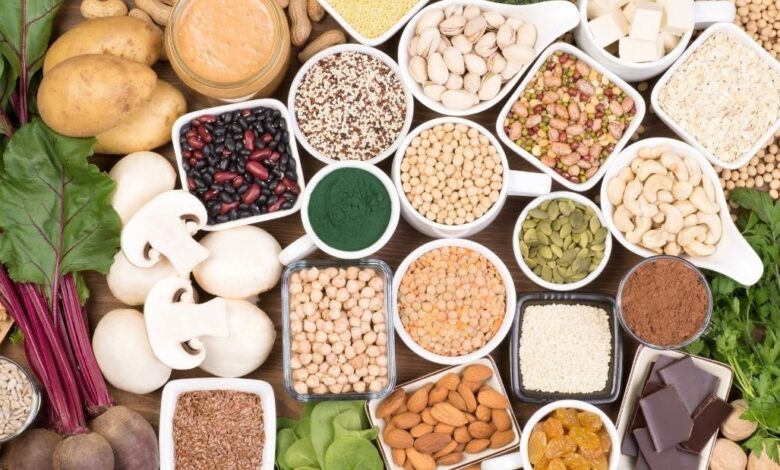
Iron is a macro nutrient that is very important to the body as it is needed for critically essential functions. It’s needed by the body for the transportation of oxygen throughout the body, production of hemoglobin, production of energy and supporting the immune system and brain function. Daily iron needs differ by age and gender with men requiring 8mg/ day, women 19-50 years requiring 18mg/ day; pregnant women- 27mg/ day and children 4- 8 years – 10mg/ day (National Institutes of Health).
As a person with a specific diet you need to know the foods that help you get this essential mineral into your body. For vegans and vegetarians, there is need for having an intentional diet planning to ensure the incorporation of iron rich foods.
JOIN OUR WHATSAPP GROUP FOR UPDATES
Fortified Cereals
These are cereals that have had iron added to them during production and these can be breakfast cereals, maize or wheat flour as well as rice. According to the National Institutes of Health, these may constitute 18 mg of iron per serving and provide 100% of your body’s daily value. This implies that when buying, you should be on the look out for the nutritional profiles to ensure that you purchase iron fortified brands.
White Beans
These can be canned, fresh or dried. Fresh or dried white beans should be cooked. A cup of white beans provides 8 mg of iron which is about 44% of the daily value.
Lentils
These provide about 3mg of iron per serving constituting 11% of the daily value. They are also a good source of proteins and fiber whilst being versatile in terms of how you can prepare them.
You can prepare lentils as a soup, a curry or just adding them to salads. You may also just boil and eat them like that or boil them together with other legumes and cereals to make a dish that is very nutritious and common in Africa. In Zimbabwe, they make a dish called ‘mutakura‘ which is a blend of boiled peanuts, bambara nuts, maize grains, lentils and other legumes of choice.
Sugar beans, Kidney beans, chick peas
Beans are a very good source of iron and other nutrients like proteins. Kidney beans and chick peas provide 2 mg of iron which is about 11% of the daily value.
Sugar beans generally contain up to 9mg of iron per 100g (Harvest Plus) and there are some new varieties coming up through innovation in agriculture. NUA 45 beans is a biofortified variety that was released in 2010 and it is a rich source of iron up to 95 mg/kg (Chirimubwe et. al, 2024). Beans can be taken as soups, porridge, pasta, and in some instances bread.
Soy based foods
These are foods made from soya beans which is considered to be rich in iron and other nutrients like fats and proteins. These include soy sauce, soy bean oil, soy milk, edamame, tofu ( 3mg of iron) and tempeh (4.5 mg). Cooked soya beans may contain up to 8mg of iron. Soya beans have also been used as an alternative for meat making products such as meat balls and burger patties.
Leafy and fruit vegetables
Leafy vegetables like spinach (3mg per serving), broccoli ( 1mg per serving), and dark green leafy vegetables like elephant kale and Swiss chard are known to be rich in iron but need to be paired with vitamin C vegetables like tomatoes to maximize iron absorption.
Tomatoes are also known to provide about 2mg of iron per serving whilst one medium potato also provides the same amount of iron per serving. Vegetables can be served cooked but not overcooked, in salads and in smoothies.
Chocolate
Chocolate especially dark varieties with higher cocoa content are known to have significant amounts of iron up to 2mg per serving. So chocolate lovers, this is good news but always remember to eat in moderation.
Seeds
These include sesame (14.5mg/ 100g), chia (2mg/ 100g), pumpkin seeds (8mg/ 100g) and sunflower seeds (1.5mg/ 100g). Incorporate these in your diet in salads, in smoothies as snacks roasted or in energy bars.
Nuts
Cashew (2mg per serving) and Pistachio nuts ( 1mg per serving). Serve these as an addition to salads, as roasted snacks, in smoothies or as butter spreads.
Dried fruits
Dried fruits like raisins and dates also provide iron with raisins providing around 1mg per serving, dates- 7.2mg/ 100g (Indrayani et al, 2018), dried baobab fruit- up to 18mg/ 100g (Asogwa et. al, 2021) and apricots at around 3mg/ 100g.
What inhibits plant based Iron absorption
According to Ems et al, 2023, iron absorption may be inhibited by:
- Polyphenols found in foods such as coffee, herbal tea, legumes and cereals
- Soy protein found in soya beans
- Calcium
- Oxalic acid found in spinach, nuts and beans
ALSO READ
How to Improve Iron Absorption
- Pair or mix the foods with vitamin C rich foods such as citrus fruits, bell peppers, pawpaw and tomatoes to promote absorption.
- Soak dried foods first.
- Reduce intake of coffee.
- Eat a variety of iron rich foods as one source/ food may not be enough.
JOIN OUR WHATSAPP GROUP FOR UPDATES
Medically Reviewed by:
Annie C. Msauki MSc -Biostatistics & Epidemiology, BSc Nutritional Sciences | Public Health Nutritionist | Certified Lactation Specialist |
Annie is a Registered Nutritionist with over 15 years of experience in public health nutrition, clinical nutrition, and maternal-child health. She currently works with the Ministry of Health and Child Care [MOHCC] in Zimbabwe and is the Founder of Kefas Nutrition Services, where she leads programs focused on nutrition care, wellness days, and community health.
Last Updated:
18 May 2026





One Comment