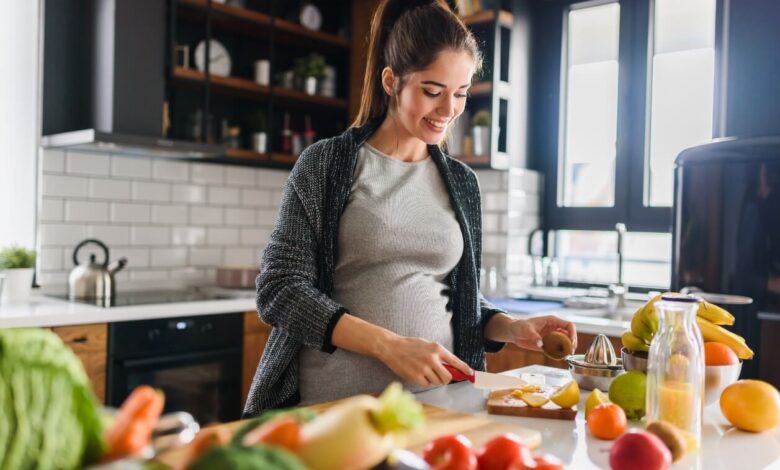
Pregnancy is a period that requires extra care in the area of nutrition since the mother will be eating for both herself and her child. Good pregnancy nutrition is the responsibility of the mother where she makes responsible diet and nutrition habits that cater for the needs of both. A pregnant mother needs to eat a balanced diet and eat more food to cater for her baby’s nutritional needs and energy needs.
During pregnancy, the mother’s own stores of nutrients may be reduced, putting her at increased risk of illness. Additionally, a baby deprived of adequate nutrition before birth is likely to have poor development in childhood and health problems throughout life (Food and Agriculture Organization).
Good pregnancy nutrition is important for the avoidance of complications, good health for the mother, healthy growth and development of the fetus and making sure the baby comes out with a healthy weight at birth.
JOIN OUR WHATSAPP GROUP FOR UPDATES
Important nutrients needed during pregnancy
1.Iron
Iron plays an important role in the production of hemoglobin and for the transport of oxygen both of which are needed in the growth of the fetus and other important masses like the placenta (Jouanne et al, 2021). The demand for iron rises during pregnancy. According to Mayo Clinic, iron deficiency may result in post partum depression. It is advisable to eat vitamin C rich foods for the maximization of the absorption of the much needed iron in the body. Foods like lean red meat, lentils, dried fruits, spinach and fortified cereals are rich in iron.
2. Proteins
According to the Food and Agriculture Organization, proteins are essential for the formation of new tissue, cells, blood and bones. You should eat eggs, chicken, fish, beans and tofu to get more protein.
3. Folate
It is needed to prevent severe birth defects and is crucial during the first few weeks of pregnancy (Food and Agriculture Organization). It helps prevent neural tube defects. It can be taken in as supplements but in moderation because too much of it may cause fetal development impairment (Jouanne et al, 2021). You should eat leafy greens, beans, fortified cereals and citrus fruits.
4. Calcium
It is needed for the mineralization of the fetal skeleton, especially during the third trimester and can be used for the relief of pregnant women’s leg cramps. Low calcium intake can worsen the severity of last-trimester bone loss and the risk of developing pre-eclampsia (Jouanne et al, 2021). You should eat dairy products, fish such as sardines to get calcium.
5. Vitamin D
It is needed to help with the absorption of calcium (Jouanne et al, 2021) and for general immunity building. You can get it from sunlight, eating vitamin D fortified foods and fatty fish.
6. Iodine
It helps prevent serious birth defects, such as brain damage and mental retardation (Food and Agriculture Organization). According to Jouanne et al, 2021, iodine is essential for the development of brain tissue, the acquisition of intelligence, and learning. During pregnancy, iodine requirements increase by more than half and women that suffer serious nausea and vomiting are prone to iodine deficiency. You can get iodine from iodine fortified foods, fish, seafood, and dairy products
7. Zinc
It is needed for cell division, protein synthesis and growth. If deficient, there will be low birth weight and pre-term delivery and intra uterine growth retardation. Zinc is found in meat, fish, and seafood (Jouanne et al, 2021).
8. Omega-3 Fatty Acids
They support brain and eye development, regulation of genes and their deficiency may cause cognitive and behavioral disorders during development (Jouanne et al, 2021) . Nuts and seeds as well as salmon are good sources of this nutrient.
9. Water
Water is needed for digestion and circulation and it can reduce headaches and constipation.
10. Other nutrients
Magnesium, vitamin A, vitamin C, vitamin E, vitamin B9 as well as vitamin B6 are needed during pregnancy.
ALSO READ
- Vaginal Health Supporting Habits for Women
- Natural Ways to Ease Dysmenorrhea (Menstrual Pain)
- 9 Nutrient Deficiency Signs Your Body May Show and What to Eat to Correct Them.
Daily feeding requirements
The Food and Agriculture Organization recommends the following daily food intake levels for pregnant women:
- 4 glasses of milk or milk products
- 3 portions of meat, fish, eggs, beans
- 4 portions of fruit and vegetables
- 6 portions of bread and cereals
- Lots of liquid .
Foods to avoid during pregnancy for good pregnancy nutrition
- Too much seafood as it poses a risk of infections by pathogens.
- Liver- has a lot of vitamin A which could harm the baby
- Undercooked and cold meats- you risk getting toxoplasmosis if you eat raw and undercooked meat, which can cause miscarriage.
- Alcohol- may cause long term adverse effect on your child
- Beverages with lots of caffeine- more than 200mg of caffeine can increase your risk of pregnancy complications, such as low birthweight, and even miscarriage.
- Non pasteurized milk which may contain some bacteria (National Health Services UK).
Common nutrition challenges during pregnancy
These may affect pregnancy nutrition if not managed.
- Heart burn– Avoid spicy foods and other foods that may raise acidity in your body.
- Nausea and vomiting/ morning sickness– Use herbs like ginger or foods that may avert this.
- Food aversions– opt for foods and ingredients that are favourable.
- Food cravings especially for unhealthy foods, so you should try and go for healthier foods.
JOIN OUR WHATSAPP GROUP FOR UPDATES
Healthy pregnancy nutrition plays a major role in supporting both mother and baby throughout pregnancy. Focusing on nutrient-rich foods, staying hydrated, and avoiding harmful foods can help support healthy development and improve overall well-being.
Small, consistent healthy choices can make a significant difference during pregnancy and beyond. You can explore our article on iron rich foods for vegans and vegetarians.
Sources
- Food and Agriculture Organization- Nutrition during pregnancy and breastfeeding (mother): Factsheet
- Jouanne M, Oddoux S, Noël A, Voisin-Chiret AS. Nutrient Requirements during Pregnancy and Lactation. Nutrients. 2021 Feb 21;13(2):692. doi: 10.3390/nu13020692. PMID: 33670026; PMCID: PMC7926714.
- Mayo Clinic- Pregnancy diet: Focus on these essential nutrients
- National Health Services UK- Foods to avoid in pregnancy
Written by:
Laura Mlambo
Medically Reviewed by:
Annie C. Msauki MSc -Biostatistics & Epidemiology, BSc Nutritional Sciences | Public Health Nutritionist | Certified Lactation Specialist |
Annie is a Registered Nutritionist with over 15 years of experience in public health nutrition, clinical nutrition, and maternal-child health. She currently works with the Ministry of Health and Child Care [MOHCC] in Zimbabwe and is the Founder of Kefas Nutrition Services, where she leads programs focused on nutrition care, wellness days, and community health.
Last Updated:
23 May 2026