Healthy Eating Basics: The 10 Step Ultimate Beginner’s Guide to a Balanced Diet

Starting a healthy eating journey can feel overwhelming, especially with so much conflicting nutrition advice online. However, building a balanced diet doesn’t require extreme restrictions or complicated meal plans. With the right approach, anyone can develop sustainable habits that improve energy, support long-term health, and reduce disease risk.
According to the World Health Organization, unhealthy diets are a major risk factor for chronic diseases such as heart disease, diabetes, and obesity. This makes learning how to start eating healthy one of the most important steps toward better overall well-being.
JOIN OUR WHATSAPP GROUP FOR MORE UPDATES
Step 1: Understand What Healthy Eating Means
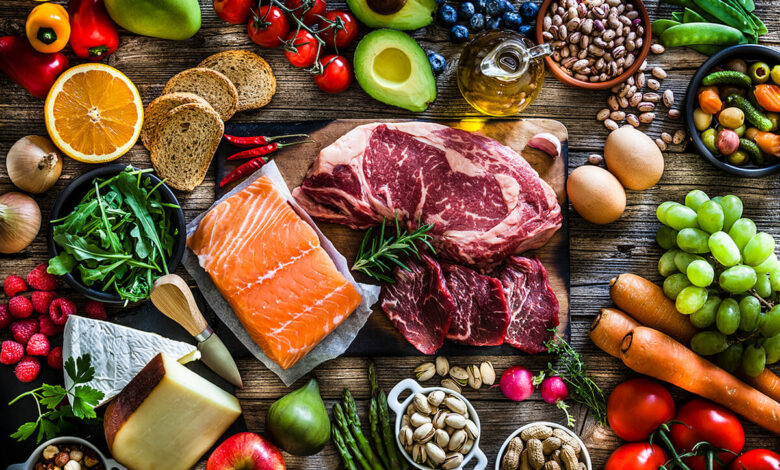
Healthy eating is not about strict dieting, it’s about balance, variety, and moderation. A balanced diet includes:
- Fruits and vegetables
- Whole grains
- Lean proteins
- Healthy fats
- Adequate hydration
The Centers for Disease Control and Prevention recommends focusing on nutrient-dense foods that provide vitamins, minerals, and energy without excess added sugars or unhealthy fats.
Step 2: Start Small and Build Gradually
One of the biggest mistakes beginners make is trying to change everything at once. Instead, start with small, manageable changes:
- Add one serving of vegetables to your meals
- Replace sugary drinks with water
- Choose whole grains instead of refined carbs
Small steps create long-term habits and reduce the risk of burnout.
Step 3: Build a Balanced Plate
A simple way to eat healthy is by following the “balanced plate” method:
- Half your plate: fruits and vegetables
- One-quarter: lean protein (chicken, fish, beans)
- One-quarter: whole grains (brown rice, oats, whole wheat)
This approach helps ensure your body gets the nutrients it needs without overcomplicating meal planning.
Step 4: Learn to Read Food Labels
Understanding food labels can help you make better choices. Look for:
- Low added sugars
- Moderate sodium levels
- High fiber content
- Minimal processed ingredients
The National Health Service encourages consumers to check labels to avoid hidden sugars, unhealthy fats, and excessive salt in packaged foods.
Step 5: Stay Hydrated
Water is essential for digestion, energy, and overall health. Many people confuse thirst with hunger, leading to unnecessary snacking.
Tips for better hydration:
- Drink water regularly throughout the day
- Limit sugary beverages
- Increase intake during exercise or hot weather
Step 6: Plan Your Meals
Meal planning reduces unhealthy food choices and saves time.
Start with:
- Planning meals for 2-3 days ahead
- Preparing simple, healthy snacks
- Keeping healthy ingredients readily available
This reduces reliance on fast food and processed options.
Step 7: Focus on Consistency, Not Perfection
Healthy eating is a long-term lifestyle, not a short-term diet. Occasional treats are okay but what matters is consistency over time.
Sustainable habits are more effective than restrictive diets when it comes to long-term health (Mayo Clinic).
Step 8: Be Mindful of Portion Sizes
Even healthy foods can lead to weight gain if consumed in large amounts.
Simple portion tips:
- Eat slowly and listen to your hunger cues
- Avoid eating directly from large packages
- Use smaller plates to control portions
Step 9: Limit Processed and Sugary Foods
Highly processed foods often contain:
- Added sugars
- Excess salt
- Unhealthy fats
Reducing these foods can lower the risk of chronic diseases and improve energy levels.
Step 10: Make Healthy Eating Enjoyable
Healthy eating should not feel like a punishment. Explore new recipes, try different foods, and find meals you genuinely enjoy.
When healthy food tastes good, it becomes easier to stick to your habits.
ALSO READ
- Mind-Body Nutrition: How Food Shapes Mood, Stress, Sleep, and Brain Performance
- 10 Powerful Nutrition and Fitness Habits That Help Prevent Chronic Diseases
- Gut-Brain Connection: What It Is, How It Works, and Why It Matters
Learning how to start eating healthy doesn’t have to be complicated. By focusing on small changes, balanced meals, and consistent habits, you can build a sustainable lifestyle that supports long-term health.
Healthy eating is not about perfection, it’s about progress.
JOIN OUR WHATSAPP GROUP FOR MORE UPDATES
Sources
- World Health Organization –Healthy Diet Guidelines.
- Centers for Disease Control and Prevention –Healthy Eating for a Healthy Weight.
- National Health Service –Understanding Food Labels.
- Mayo Clinic – Healthy Lifestyle and Nutrition.
Written by:
Laura Mlambo -Health & Wellness Blogger
Medically Reviewed by:
This article was reviewed by the OhHealthWorld Editorial Review Team using credible health resources and public health guidance to ensure accuracy and clarity for readers. Information is intended to support general wellness education and should not replace advice from a qualified healthcare professional.
Last Updated:
26 March 2026
Medical Disclaimer:
The information provided in this article is for educational purposes only and should not replace professional medical advice. Always consult a qualified healthcare professional before making decisions about medical screenings, treatments, or lifestyle changes.