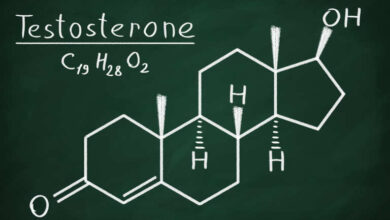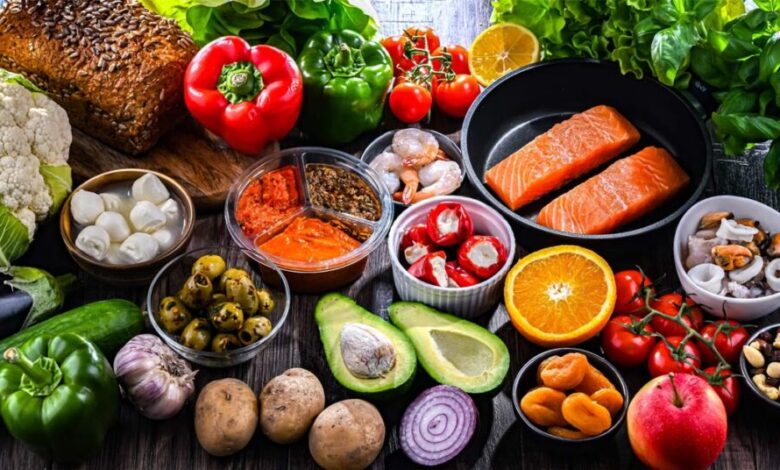
Testosterone is a key hormone that supports male reproductive health, muscle strength, bone density, energy levels, and mood. Although testosterone levels naturally decline with age, nutrition plays an important role in maintaining healthy hormone production. A balanced diet cannot replace medical care when needed, but evidence shows that specific nutrients help support endocrine and reproductive function.
Public health experts emphasize that healthy eating patterns are essential for metabolic and hormonal health (World Health Organization). Read more on low testosterone in men in our article.
JOIN OUR WHATSAPP GROUP FOR MORE UPDATES
Why Nutrition Matters for Testosterone Levels
Testosterone is produced through hormone signaling processes that rely on adequate vitamins, minerals, protein, and healthy fats. Nutrient deficiencies, obesity, and poor dietary habits can disrupt this balance and contribute to low testosterone.
Clinical guidance notes that lifestyle factors such as diet quality, body weight, and physical activity significantly influence testosterone levels and overall male health (Mayo Clinic).
Healthy Fats Support Testosterone Production
Testosterone is synthesized from cholesterol, meaning dietary fat intake plays a foundational role in hormone production. Extremely low-fat diets may reduce testosterone, while balanced intake of healthy fats supports endocrine function.
Best Sources of Healthy Fats
- Avocados
- Olive oil
- Nuts and seeds
- Fatty fish such as salmon and sardines
Omega-3 fatty acids found in fatty fish may also help regulate inflammation, which supports hormone balance.
Zinc-Rich Foods Help Maintain Testosterone Levels
Zinc is an essential mineral for male reproductive health. It supports testosterone synthesis, sperm development, and immune function. Zinc deficiency has been linked to reduced testosterone levels.
Nutrition research highlights zinc as a key nutrient for maintaining normal testosterone status (National Institutes of Health).
Zinc-Rich Foods
- Lean red meat
- Shellfish (especially oysters)
- Pumpkin seeds
- Beans and chickpeas
- Whole grains
Vitamin D and Testosterone Regulation
Vitamin D functions like a hormone and plays an important role in endocrine regulation. Low vitamin D levels are commonly associated with reduced testosterone levels in men.
Health authorities recommend maintaining adequate vitamin D through safe sun exposure, diet, and supplementation when necessary (Centers for Disease Control and Prevention).
Sources of Vitamin D
- Sunlight exposure
- Fatty fish
- Egg yolks
- Fortified dairy products and cereals
Protein Intake Supports Hormonal and Metabolic Health
Adequate protein intake helps maintain lean muscle mass and healthy metabolism. Since excess body fat is associated with lower testosterone levels, maintaining healthy body composition is important for hormone balance.
Healthy Protein Sources
- Eggs
- Fish
- Skinless poultry
- Greek yogurt
- Lentils and legumes
Balanced protein intake also supports blood sugar control, which influences endocrine function.
Magnesium-Rich Foods and Testosterone Support
Magnesium supports hundreds of biochemical reactions in the body, including processes involved in hormone regulation. Some studies suggest magnesium may help improve bioavailable testosterone levels.
Magnesium Sources
- Spinach and leafy greens
- Almonds and cashews
- Whole grains
- Dark chocolate (in moderation)
- Beans and legumes
Antioxidant-Rich Fruits and Vegetables Protect Hormone Health
Oxidative stress can damage cells involved in testosterone production. Antioxidant-rich foods help protect reproductive tissues and support overall endocrine function.
Best Choices
- Berries
- Citrus fruits
- Tomatoes
- Carrots
- Leafy greens
- Cruciferous vegetables like broccoli and cabbage
Colorful fruits and vegetables also provide fiber, which supports gut and metabolic health.
Foods to Limit for Healthy Testosterone Levels
Certain dietary habits may negatively affect hormone levels:
- Highly processed foods
- Excess sugar and refined carbohydrates
- Trans fats
- Excess alcohol intake
Maintaining a healthy weight is particularly important, as obesity is strongly linked to lower testosterone levels (World Health Organization).
ALSO READ
- Male Fertility After 40: What Every Man Should Know About Reproductive Health and How to Improve it.
- Low Sperm Count (Oligospermia): Causes, Symptoms, Diagnosis, and Natural Ways to Improve Male Fertility
- Top Nutrition and Fitness Trends in 2026: Transform Your Health Today
Practical Nutrition Tips for Supporting Testosterone
- Prioritize whole, minimally processed foods
- Include healthy fats in daily meals
- Eat a variety of fruits and vegetables
- Ensure adequate protein intake
- Maintain sufficient vitamin and mineral intake
- Stay physically active and hydrated
Sustainable lifestyle habits are more effective long-term than extreme dieting.
Key Takeaway
Nutrition plays a meaningful role in supporting testosterone levels and overall male reproductive health. Diets rich in healthy fats, zinc, vitamin D, protein, magnesium, and antioxidants help maintain hormonal balance and metabolic wellbeing.
Leading health authorities consistently recommend balanced nutrition as a foundation for endocrine and reproductive health (World Health Organization; Mayo Clinic).
JOIN OUR WHATSAPP GROUP FOR MORE UPDATES
Sources
- World Health Organization– Healthy diet. Guidance on balanced nutrition, noncommunicable disease prevention, and metabolic health.
- World Health Organization– Infertility. Global overview of reproductive health, infertility causes, and prevention strategies.
- Mayo Clinic-Testosterone therapy: Potential benefits and risks as you age.
- Mayo Clinic– Male infertility – Symptoms and causes.
- National Institutes of Health– Zinc -Fact Sheet for Health Professionals. Office of Dietary Supplements.
- National Institutes of Health– Vitamin D – Fact Sheet for Health Professionals. Office of Dietary Supplements.
- Centers for Disease Control and Prevention– Healthy weight, nutrition, and physical activity.
Written by:
Laura Mlambo – Health & Wellness Blogger
Medically Reviewed by:
This article was reviewed by the OhHealthWorld Editorial Review Team using credible health resources and public health guidance to ensure accuracy and clarity for readers. Information is intended to support general wellness education and should not replace advice from a qualified healthcare professional.
Last Updated:
19 March 2026
Medical Disclaimer:
The information provided in this article is for educational purposes only and should not replace professional medical advice. Always consult a qualified healthcare professional before making decisions about medical screenings, treatments, or lifestyle changes.