Mind-Body Nutrition: How Food Shapes Mood, Stress, Sleep, and Brain Performance

Food is more than fuel. Every bite you take influences brain chemistry, emotional balance, energy levels, and long-term mental resilience. Growing research in nutritional science shows that diet quality plays a major role in mood regulation, stress tolerance, sleep patterns, and cognitive performance. This powerful relationship, often called mind-body nutrition highlights how everyday eating habits can support both physical and psychological well-being.
JOIN OUR WHATSAPP GROUP FOR MORE UPDATES
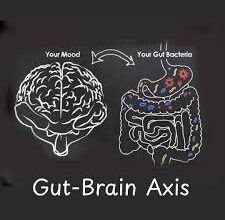
The Gut–Brain Axis: Your “Second Brain”
The digestive system and the brain are in constant communication through what scientists call the gut–brain axis. Nerves, hormones, and immune signals allow the gastrointestinal tract to send messages that influence mood, focus, and behavior.
Trillions of microbes living in the gut help regulate inflammation and produce neurotransmitters such as serotonin, dopamine, and gamma-aminobutyric acid (GABA) which are the chemicals that shape emotional stability and mental clarity. Notably, a large proportion of serotonin, often referred to as the “feel-good” neurotransmitter, is produced in the gut.
When gut health is disrupted, people may experience fatigue, low mood, anxiety, poor concentration, and sleep problems.
Diet plays a central role in maintaining a healthy microbiome. Fiber-rich foods such as beans, lentils, whole grains, fruits, and vegetables feed beneficial bacteria. Fermented foods like yogurt, kefir, sauerkraut, and traditional cultured products introduce helpful probiotics that support microbial balance.
Public health guidance from the World Health Organization emphasizes that healthy dietary patterns rich in plant foods help reduce inflammation and support overall mental and neurological health. Learn more about how your digestive system influences mental health in our full gut–brain connection article.
Key Nutrients That Influence Mood and Brain Function
The brain requires a steady supply of essential nutrients to regulate emotions, process information, and maintain attention.
Omega-3 Fatty Acids
Omega-3s are structural components of brain cells and support communication between neurons. Adequate intake is associated with improved cognitive function and a lower risk of depressive symptoms. Sources include sardines, salmon, flaxseeds, chia seeds, and walnuts.
B-Vitamins
Vitamins B6, B12, and folate help the body produce neurotransmitters that regulate mood and energy. Low levels are linked to irritability, mental fatigue, and poor concentration. Whole grains, eggs, dairy, legumes, and leafy greens are rich sources.
Magnesium
Magnesium supports relaxation pathways in the nervous system and helps regulate the stress response. Insufficient intake is associated with anxiety, muscle tension, and sleep difficulties. Nuts, seeds, dark leafy vegetables, and legumes provide substantial amounts.
Protein and Amino Acids
Protein supplies amino acids such as tryptophan and tyrosine, which are used to produce serotonin and dopamine which are key chemicals for motivation, emotional stability, and focus.
Iron and Zinc
Iron supports oxygen delivery to the brain, while zinc contributes to neural signaling and immune regulation. Deficiencies can lead to brain fog, low energy, and reduced attention span.
Nutrition guidance from the Centers for Disease Control and Prevention highlights that nutrient-dense eating patterns support both physical and mental performance across all age groups.
Eating Patterns That Improve Stress Resilience
Chronic stress elevates cortisol, a hormone that can disrupt mood, sleep, digestion, and immune function. Nutrition can help stabilize the body’s stress response.
Balanced meals that include complex carbohydrates, lean proteins, and healthy fats help maintain stable blood sugar levels. This prevents energy crashes that can worsen irritability and anxiety.
Whole grains, sweet potatoes, legumes, eggs, avocados, seeds, and olive oil provide sustained energy and essential nutrients. Colorful fruits and vegetables supply antioxidants that protect brain cells from oxidative stress.
Hydration also matters. Even mild dehydration can increase fatigue, headaches, and difficulty concentrating.
Health authorities, including the World Health Organization, recommend limiting ultra-processed foods high in refined sugars and unhealthy fats, which are associated with poorer mental and metabolic health outcomes.
Nutrition and Sleep Quality
Sleep is essential for memory, emotional regulation, and cognitive recovery. Diet influences how easily you fall asleep and how restorative your rest becomes.
Tryptophan-containing foods such as turkey, milk, yogurt, oats, and pumpkin seeds support melatonin production, the hormone that regulates sleep cycles. Magnesium-rich foods help relax muscles and calm the nervous system.
Large, heavy meals close to bedtime can disrupt digestion and interfere with sleep. Sugary snacks may cause blood sugar fluctuations that wake you during the night.
The Centers for Disease Control and Prevention notes that consistent sleep routines combined with healthy eating patterns improve sleep quality and daytime functioning.
Fueling the Brain for Focus and Productivity
Although the brain represents only about 2% of body weight, it uses roughly 20% of daily energy intake. Consistent, high-quality fuel is critical for concentration and performance.
Healthy fats from avocados, nuts, seeds, and olive oil support brain cell membranes and memory pathways. Polyphenol-rich foods such as berries, cocoa, green tea, and colorful vegetables contain antioxidants that protect cognitive function.
Stable glucose levels are equally important. Meals built around fiber-rich carbohydrates and protein prevent rapid spikes and crashes that impair focus.
Simple snack options like fruit with nut butter, yogurt with seeds, or hummus with vegetables help sustain energy between meals.
Mindful Eating and Emotional Regulation
Mental wellness is influenced not only by what you eat, but also by how you eat. Mindful eating encourages awareness of hunger cues, slower meal pacing, and reduced distractions.
Stress can trigger emotional eating patterns, often leading to overconsumption of highly processed comfort foods. Eating with intention improves portion control, digestion, and satisfaction.
Simple practices such as sitting down for meals, chewing slowly, and limiting screens support healthier relationships with food and better emotional balance.
Women’s Hormonal Health and Nutrition
Hormonal fluctuations throughout the menstrual cycle, pregnancy, and menopause can influence mood, energy, and stress sensitivity.
Iron supports energy levels during menstruation. Omega-3 fats and magnesium may help ease premenstrual mood symptoms. Balanced meals that stabilize blood sugar reduce irritability and fatigue.
During perimenopause, phytoestrogen-rich foods like soybeans, flaxseeds, and legumes may support hormonal balance, while adequate protein intake helps maintain muscle and metabolism.
The World Health Organization emphasizes nutrition as a foundational strategy for women’s lifelong health and disease prevention.
ALSO READ
- Male Fertility After 40: What Every Man Should Know About Reproductive Health and How to Improve it.
- Teen Mental Health: A Complete Guide for Parents and Adolescents
Mind-body nutrition offers a practical, sustainable way to support emotional resilience, sharper thinking, better sleep, and stress control. By prioritizing gut health, essential nutrients, balanced meals, hydration, and mindful eating habits, food becomes a powerful tool for total well-being.
JOIN OUR WHATSAPP GROUP FOR MORE UPDATES
References
- World Health Organization. Healthy Diet.
- World Health Organization. Mental Health: Strengthening Our Response.
- Centers for Disease Control and Prevention. Healthy Eating for a Healthy Weight.
- Centers for Disease Control and Prevention. Sleep and Sleep Disorders.
- National Institutes of Health, Office of Dietary Supplements. Dietary Supplements for Brain Health.
- Harvard T.H. Chan School of Public Health. The Nutrition Source.
Written by:
Laura Mlambo – Health & Wellness Blogger
Medically Reviewed by:
This article was reviewed by OhHealthWorld using credible health resources and public health guidance to ensure accuracy and clarity for readers. Information is intended to support general wellness education and should not replace advice from qualified healthcare professionals.
Last Updated:
16 March 2026
Medical Disclaimer:
The information provided in this article is for educational purposes only and should not replace professional medical advice. Always consult a qualified healthcare professional before making decisions about medical screenings, treatments, or lifestyle changes.