Low Sperm Count (Oligospermia): Causes, Symptoms, Diagnosis, and Natural Ways to Improve Male Fertility


Male fertility is an important part of reproductive health, yet it is often overlooked in discussions about conception. One of the most common conditions affecting male fertility is low sperm count, medically known as Oligospermia. This condition occurs when the number of sperm in a man’s semen is lower than normal, reducing the chances of fertilizing an egg.
Understanding the causes, symptoms, and management of low sperm count can help men take proactive steps toward improving reproductive health.
JOIN OUR WHATSAPP GROUP FOR MORE UPDATES
What Is Low Sperm Count?
Low sperm count refers to having fewer sperm than normal in a semen sample. According to the World Health Organization, a normal sperm count is typically 15 million sperm per milliliter of semen or more. Counts below this level may make it more difficult to achieve pregnancy naturally.
Health experts at the Mayo Clinic explain that fertility depends not only on sperm count but also on sperm movement (motility) and shape (morphology). Even when sperm are present, poor motility or abnormal structure can affect the ability of sperm to reach and fertilize an egg.
Common Causes of Low Sperm CountLow sperm count can result from several medical, lifestyle, and environmental factors.
1. Medical Conditions
Certain health conditions can interfere with sperm production. These may include infections, hormonal imbalances, genetic disorders, or conditions affecting the testicles. For example, enlarged veins in the scrotum known as Varicocele can disrupt normal sperm production.
2. Hormonal Imbalances
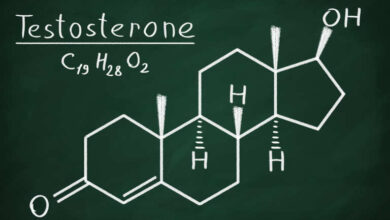
Hormones produced by the brain and reproductive organs regulate sperm production. Disruptions in hormones such as testosterone can affect fertility and reduce sperm count.
Guidance from the National Institutes of Health indicates that hormonal disorders may impair the signals responsible for sperm production.
3. Lifestyle Factors
Certain lifestyle habits can negatively impact sperm health. These include:
- Smoking tobacco
- Excessive alcohol consumption
- Recreational drug use
- Poor diet and lack of physical activity
- Chronic stress and sleep deprivation
Maintaining healthy habits can significantly improve reproductive health over time.
4. Environmental Exposure
Exposure to toxins such as pesticides, heavy metals, and industrial chemicals may damage sperm cells or interfere with hormone balance.
The Centers for Disease Control and Prevention notes that environmental exposures can affect reproductive health and fertility in both men and women.Symptoms of Low Sperm Count
In many cases, low sperm count does not cause noticeable symptoms. The primary sign is difficulty conceiving a child. However, some men may experience:
- Reduced sexual desire
- Hormonal imbalance symptoms
- Pain or swelling in the testicular area
Medical evaluation is often required to determine whether fertility issues are present.
Diagnosis and Testing
Doctors typically diagnose low sperm count through a semen analysis, which measures the number, shape, and movement of sperm in a semen sample.
According to specialists at the Cleveland Clinic, semen analysis is the most important test for assessing male fertility. Additional tests may include hormone testing, genetic screening, or imaging studies to identify underlying conditions.
Natural Ways to Support Sperm Health
Although medical treatment may be necessary in some cases, several lifestyle strategies can help support sperm production and reproductive health:
- Maintain a healthy body weight
- Eat a balanced diet rich in fruits, vegetables, and healthy fats
- Exercise regularly
- Avoid smoking and excessive alcohol consumption
- Manage stress and prioritize adequate sleep
These preventive health measures can support hormone balance and improve overall wellbeing.
When to See a Doctor
Men who have been trying to conceive for 12 months or longer without success should consider seeking medical advice. Early evaluation can help identify potential fertility issues and guide appropriate treatment options.
ALSO READ
- How Loneliness Affects Your Health: Mental, Physical, and Emotional Risks Explained
- Important Preventive Health Screenings Every Woman Over 40 Needs for Long-Term Wellness
- 10 Powerful Nutrition and Fitness Habits That Help Prevent Chronic Diseases
Final Thoughts
Low sperm count is a common but manageable condition that affects many men worldwide. Understanding its causes and risk factors allows individuals to take steps toward improving reproductive health.
Healthy lifestyle choices, regular medical checkups, and timely fertility assessments can all play a role in supporting male fertility and increasing the chances of successful conception.
JOIN OUR WHATSAPP GROUP FOR MORE UPDATES
Sources
- World Health Organization
- Mayo Clinic
- National Institutes of Health
- Centers for Disease Control and Prevention
- Cleveland Clinic
Written by:
Laura Mlambo – Health & Wellness Blogger
Medically Reviewed by:
This article was reviewed by the OhHealthWorld Editorial Review Team using credible health resources and public health guidance to ensure accuracy and clarity for readers. Information is intended to support general wellness education and should not replace advice from a qualified healthcare professional.
Last Updated:
12 March 2026
Medical Disclaimer:
The information provided in this article is for educational purposes only and should not replace professional medical advice. Always consult a qualified healthcare professional before making decisions about medical screenings, treatments, or lifestyle changes.