Important Preventive Health Screenings Every Woman Over 40 Needs for Long-Term Wellness

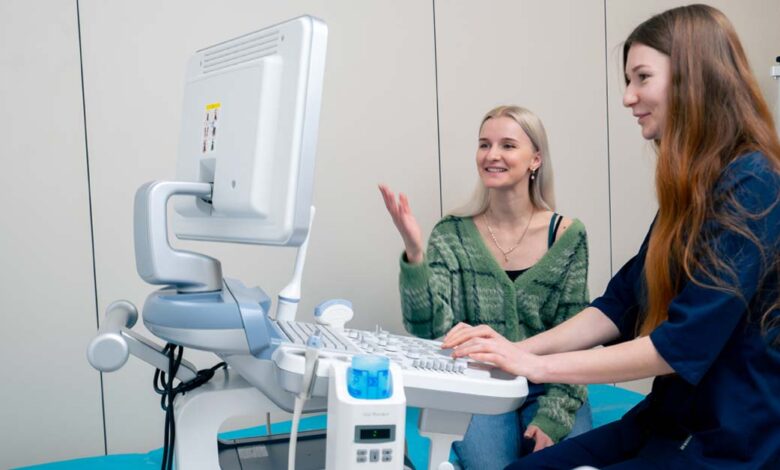
As women enter their 40s, health priorities often shift toward prevention and early detection of potential health issues. Preventive health screenings play a critical role in identifying medical conditions early, when treatment is often more effective. By staying proactive about regular checkups and recommended tests, women can protect their long-term health and wellbeing.
At OhHealthWorld.com, we encourage women to take a proactive approach to health by understanding which screenings are most important during midlife and beyond.
JOIN OUR WHATSAPP GROUP FOR MORE UPDATES
Why Preventive Health Screenings Matter
Many serious health conditions develop gradually and may not show noticeable symptoms in their early stages. Preventive screenings allow healthcare providers to detect these conditions early and recommend appropriate treatment or lifestyle changes.
According to the Centers for Disease Control and Prevention, regular health screenings help reduce the risk of complications from chronic diseases by identifying health problems before they become severe.
Below are some of the most important preventive health screenings every woman over 40 should consider.
1. Blood Pressure Screening
High blood pressure, also known as hypertension, often develops without noticeable symptoms but significantly increases the risk of heart disease and stroke.
Routine blood pressure checks can help detect elevated levels early. The American Heart Association recommends that adults have their blood pressure checked regularly, especially after the age of 40.
Maintaining a healthy lifestyle that includes balanced nutrition, exercise, and stress management can help keep blood pressure within a healthy range.
2. Cholesterol Test
Cholesterol screenings measure the levels of fats in the blood that can contribute to heart disease. High cholesterol can lead to plaque buildup in arteries, increasing the risk of cardiovascular problems.
Experts from Mayo Clinic recommend that adults begin regular cholesterol testing in midlife to monitor heart health and prevent complications. The American Heart Association also recommends screening every 4-6 years for adults, with more frequent screening for adults with high blood pressure, diabetes, heart disease, who are overweight and with a family history of high cholesterol.
Healthy eating habits, regular physical activity and abstaining from harmful habits such as smoking are important strategies for maintaining healthy cholesterol levels.
3. Breast Cancer Screening
Breast cancer remains one of the most common cancers affecting women worldwide. Early detection significantly improves treatment outcomes.
Health experts generally recommend routine mammograms beginning around age 40 or as advised by a healthcare provider. Organizations such as the World Health Organization emphasize that screening programs are essential for early detection and improved survival rates.
Women should also be familiar with their breast health and report any unusual changes to their healthcare provider.
4. Blood Sugar Test
A blood glucose test helps detect early signs of diabetes or prediabetes. As metabolism changes with age, women over 40 may face a higher risk of developing Type 2 Diabetes.
The Centers for Disease Control and Prevention highlights the importance of routine blood sugar screening for individuals with risk factors such as obesity, family history of diabetes, or sedentary lifestyles.
Healthy dietary habits and regular exercise can play a significant role in managing blood sugar levels.
5. Bone Density Screening
Women over 40 gradually experience changes in bone density, particularly as they approach menopause. Bone density tests can help detect early signs of Osteoporosis, a condition that weakens bones and increases fracture risk.
The National Institutes of Health notes that bone density screening helps identify women at risk and allows early interventions such as improved nutrition, physical activity, and medical care when necessary.
6. Cervical Cancer Screening
Cervical cancer screening remains an important preventive health measure for women. Tests such as the Pap smear and HPV screening help detect abnormal cells before they develop into cancer.
Health authorities including the World Health Organization recommend regular screening intervals depending on age and health history to help women detect the disease early and manage or treat it successfully.
RELATED ARTICLES
- Holistic Wellness for Women Over 40: Healthy Habits for Energy, Hormone Balance, and Longevity
- 10 Powerful Nutrition and Fitness Habits That Help Prevent Chronic Diseases
- Uterine Fibroids: Symptoms, Causes, Treatment, and When to See a Doctor
Key Takeaway
Preventive health screenings empower women to take control of their health and detect potential problems early. For women over 40, routine screenings for blood pressure, cholesterol, breast health, blood sugar, bone density, and cervical health can play a vital role in maintaining long-term wellness.
By combining preventive screenings with healthy lifestyle habits such as balanced nutrition, regular exercise, and stress management, women can significantly improve their quality of life as they age.
JOIN OUR WHATSAPP GROUP FOR MORE UPDATES
Sources
- Centers for Disease Control and Prevention – Preventive Health Screenings and Chronic Disease Prevention Guidelines
- World Health Organization – Cancer Screening and Preventive Healthcare Recommendations
- American Heart Association – Blood Pressure Monitoring and Heart Health Guidelines
- Mayo Clinic – Cholesterol Testing and Preventive Health Advice
- National Institutes of Health – Bone Health and Osteoporosis Prevention Research
Written by:
Laura Mlambo – Health & Wellness Blogger
Medically Reviewed by:
This article was reviewed by the OhHealthWorld Editorial Review Team using credible health resources and public health guidance to ensure accuracy and clarity for readers. Information is intended to support general wellness education and should not replace advice from a qualified healthcare professional.
Last Updated:
11 March 2026
Medical Disclaimer:
The information provided in this article is for educational purposes only and should not replace professional medical advice. Always consult a qualified healthcare professional before making decisions about medical screenings, treatments, or lifestyle changes.