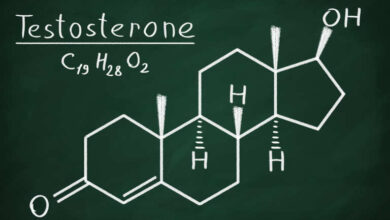
Low sperm count is one of the most common causes of male infertility. Medically known as Oligozoospermia/ Oligospermia, the condition occurs when semen contains fewer than 15 million sperm per milliliter. When sperm levels are lower than normal, the chances of fertilizing an egg become smaller, which can make conception more difficult (World Health Organization, 2021).
Fortunately, lifestyle habits play a major role in male reproductive health. Diet, stress levels, sleep, and environmental exposure can all influence sperm production. By making healthier choices, many men may be able to improve sperm quality and boost fertility naturally.
Below are ten practical strategies that may help increase sperm count and improve reproductive health.
JOIN OUR WHATSAPP GROUP FOR MORE UPDATES
1. Reduce Alcohol Consumption
Excessive alcohol intake can negatively affect sperm production and hormone balance. Studies suggest that heavy drinking can lower testosterone levels and reduce sperm concentration hence low sperm count.
Men who are trying to conceive should consider limiting alcohol intake. While occasional moderate drinking may not drastically affect fertility, reducing alcohol consumption may support better sperm health and overall wellbeing.
2. Quit Smoking
Smoking tobacco is strongly associated with reduced fertility in men. Long-term smokers often experience low sperm counts, reduced semen volume, and decreased sperm motility.
The encouraging news is that the body can recover. Research suggests that sperm health may begin improving within a few months after quitting smoking as the body produces new sperm cells.
3. Stay Physically Active
Regular exercise supports hormonal balance and can improve reproductive health. Moderate aerobic activity such as jogging, brisk walking, cycling, or swimming may help increase sperm production.
One study found that men who exercised several times a week experienced improvements in sperm count and sperm movement. However, extreme exercise or steroid use can result in low sperm count and movement, so balance is key.
4. Manage Stress Levels
Chronic stress can interfere with hormones that regulate sperm production, including testosterone. When stress levels remain high for long periods, the body may produce fewer healthy sperm cells.
Simple stress-management techniques can make a big difference. Activities such as meditation, deep breathing, yoga, or spending time outdoors may help lower stress levels and support hormonal balance.
5. Prioritize Quality Sleep
Sleep plays an essential role in hormone regulation and reproductive health. Research shows that irregular sleep schedules, staying up very late, or sleeping too little can affect sperm production.
Aim for seven to eight hours of consistent sleep each night. Maintaining a regular bedtime routine can help support healthy testosterone levels and sperm development.
6. Eat More Antioxidant-Rich Foods
Oxidative stress can damage sperm cells and contribute to male infertility. Antioxidants help protect sperm from this damage and support better reproductive function.
Many fruits and vegetables contain powerful antioxidants, including:
- Citrus fruits, berries, and guava (rich in vitamin C)
- Nuts and seeds such as almonds and sunflower seeds (sources of vitamin E)
- Carrots, sweet potatoes, and pumpkin (high in beta-carotene)
Including a variety of colorful fruits and vegetables in your diet may help protect sperm health.
7. Include Key Fertility Nutrients
Certain nutrients are especially important for sperm development. These include zinc, selenium, and folate.
Foods rich in these nutrients include:
- Seafood and lean meats
- Pumpkin seeds and Brazil nuts
- Leafy green vegetables like spinach
- Beans and legumes
A balanced diet that includes these foods may help support healthy sperm production.
8. Avoid Exposure to Environmental Toxins
Certain environmental chemicals, including pesticides, heavy metals, and industrial solvents, may interfere with sperm production and hormonal balance. Reducing exposure to toxins at home or work can help protect reproductive health and reduce incidences of low sperm count.
9. Limit Heat Exposure
High temperatures around the testicles can reduce sperm production. Wearing very tight underwear, using hot tubs frequently, or spending long periods in saunas may raise scrotal temperature.
Choosing loose-fitting underwear and avoiding excessive heat exposure may help maintain optimal conditions for sperm production.
10. Maintain a Healthy Weight
Being overweight or obese can affect hormone balance and reduce testosterone levels, which may lower sperm production. Maintaining a healthy weight through balanced nutrition and regular exercise may help support healthy sperm development and improve overall fertility. Research shows a strong association between high body mass index (BMI) and reduced sperm count (Sermondade et al., 2013).
ALSO READ
- Low Testosterone in Men and Fertility: Causes, Symptoms, and Ways to Support Hormonal Health
- Men’s Health and Wellness in 2026: Evidence-Based Trends Backed by Experts
- Nutrition That Boosts Testosterone Levels in Men
When to Seek Medical Advice
If you and your partner have been trying to conceive for a year or longer without success, it may be helpful to consult a fertility specialist. A semen analysis can evaluate sperm count, movement, and overall quality.
Treatment options may include medications such as Clomiphene or assisted reproductive techniques like In Vitro Fertilization, depending on the underlying cause (Centers for Disease Control and Prevention; National Health Service).
JOIN OUR WHATSAPP GROUP FOR MORE UPDATES
Low sperm count can be discouraging, but many cases can improve with healthier lifestyle habits. Reducing alcohol intake, eating nutrient-rich foods, exercising regularly, managing stress, and getting enough sleep can all contribute to better reproductive health. Small changes made today may significantly improve fertility and overall wellbeing in the future.
You can read more about low sperm count in our article.
Sources
- National Institutes of Health -Men’s Reproductive Health. Research summaries
- Harvard Medical School-Lifestyle and Male Fertility: The Impact of Diet, Exercise, and Habits. Harvard Health Publishing
- World Health Organization– Laboratory Manual for the Examination and Processing of Human Semen.
- National Health Service (NHS)-Male Infertility. NHS UK.
- Centers for Disease Control and Prevention (CDC)- Infertility FAQs and Male Reproductive Health.
- Sermondade N, Faure C, Fezeu L, et al- BMI in relation to sperm count: An updated systematic review and collaborative meta-analysis. Human Reproduction Update. 2013
Written by:
Laura Mlambo – Health & Wellness Blogger
Medically Reviewed by:
This article was reviewed by the OhHealthWorld Editorial Review Team using credible health resources and public health guidance to ensure accuracy and clarity for readers. Information is intended to support general wellness education and should not replace advice from a qualified healthcare professional.
Last Updated:
12 March 2026
Medical Disclaimer:
The information provided in this article is for educational purposes only and should not replace professional medical advice. Always consult a qualified healthcare professional before making decisions about medical screenings, treatments, or lifestyle changes.