Breast health is an essential part of women’s overall well-being at every stage of life. From adolescence through menopause and beyond, understanding how to care for your breasts helps with early detection of problems, lowers disease risk, and supports long-term health. Many breast conditions are treatable when identified early, which makes awareness, preventive habits, and regular screening critically important.
Global health authorities such as the World Health Organization emphasize that early detection and timely treatment significantly improve breast disease outcomes, including breast cancer survival rates.
JOIN OUR WHATSAPP GROUP FOR MORE UPDATES
Why Breast Health Matters
Breasts undergo natural changes throughout life due to hormones, age, pregnancy, and lifestyle factors. While many changes are normal, some can signal underlying conditions that require medical attention.
Maintaining breast health helps with:
- Early detection of abnormalities
- Lower risk of advanced disease
- Better treatment outcomes
- Reduced anxiety through awareness
- Improved overall women’s health
According to the Centers for Disease Control and Prevention, breast cancer is one of the most common cancers affecting women worldwide, making routine screening and awareness essential.
Common Breast Changes: What’s Normal
Understanding normal breast patterns helps you quickly recognize unusual symptoms.
Typical changes include:
- Mild tenderness before menstruation
- Slight size differences between breasts
- Temporary swelling due to hormonal shifts
- Breast changes during pregnancy or breastfeeding
- Gradual loss of firmness with age
Clinical guidance from the National Health Service notes that hormonal fluctuations are a common cause of temporary breast discomfort and texture changes.
Warning Signs You Should Never Ignore
Seek medical advice if you notice:
- A new lump or thickened tissue
- Persistent breast pain in one area
- Nipple discharge (especially bloody or clear)
- Skin dimpling or puckering
- Changes in breast shape or size
- Nipple inversion or rash
Experts at the Mayo Clinic advise that while many lumps are noncancerous, any unusual change should be evaluated promptly.
Breast Self-Exams: Know Your Normal
Breast self-exams help you become familiar with how your breasts normally look and feel. While they do not replace professional screening, they can help you spot early changes.
How to perform a self-exam:
- Look in a mirror with arms at your sides and raised overhead
- Check for visible changes in shape, skin, or nipples
- Feel each breast using circular motions with your fingertips
- Cover the entire breast and underarm area
- Repeat monthly, ideally a few days after your period
The World Health Organization encourages breast awareness so women can recognize unusual changes early.
Professional Breast Screenings
Routine screenings detect problems before symptoms appear.
Mammograms
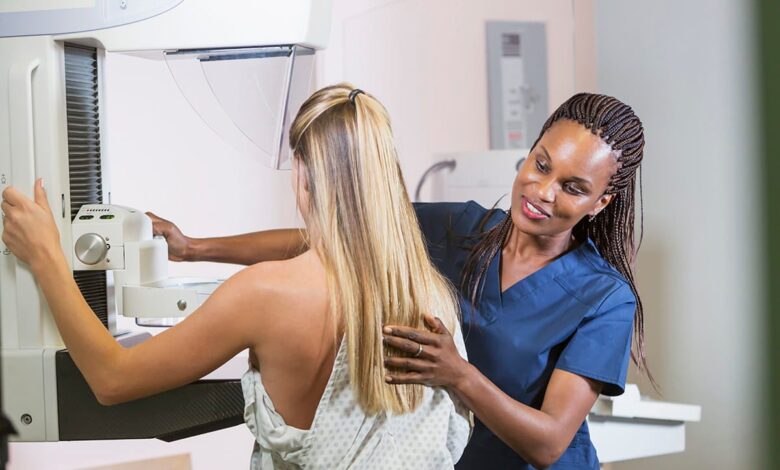
A mammogram is a low-dose X-ray that detects tumors too small to feel. It remains the gold standard for early breast cancer detection.
Clinical Breast Exams
Performed by trained healthcare professionals to check for lumps or abnormalities.
Ultrasound & MRI
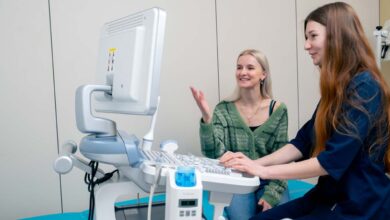
Used when additional imaging is needed, especially for dense breast tissue.
Screening recommendations from the Centers for Disease Control and Prevention advise women to discuss personalized screening schedules with healthcare providers based on age and risk factors.
Lifestyle Habits That Support Breast Health
Healthy daily habits can reduce breast disease risk.
Maintain a Healthy Weight
Excess body fat increases estrogen levels, which may raise breast cancer risk.
Stay Physically Active
Regular exercise supports hormone balance and immune function.
Eat a Balanced Diet
Focus on fruits, vegetables, whole grains, and healthy fats.
Limit Alcohol Intake
Higher alcohol consumption is associated with increased breast cancer risk.
Avoid Smoking
Smoking contributes to multiple cancers and poor tissue health.
Preventive lifestyle guidance is widely promoted by the World Health Organization.
Breast Health Across Life Stages
Teens & Young Adults
- Learn breast awareness
- Understand menstrual-related changes
- Wear properly fitted bras
Ages 20–39
- Begin clinical exams
- Monitor family history
- Maintain healthy lifestyle habits
Ages 40+
- Regular mammograms
- Monitor menopausal breast changes
- Discuss hormone therapy risks
The National Health Service highlights the importance of age-appropriate screening.
ALSO READ
- What is Endometriosis? A Deep Dive Into Symptoms, Impact & Care
- Important Preventive Health Screenings Every Woman Over 40 Needs for Long-Term Wellness
- 10 Powerful Nutrition and Fitness Habits That Help Prevent Chronic Diseases
Breast health is not just about cancer prevention, it’s about awareness, confidence, and proactive care. Regular self-checks, professional screenings, and healthy habits significantly improve early detection and long-term outcomes.
The earlier a concern is identified, the better the chances for effective treatment and peace of mind.
JOIN OUR WHATSAPP GROUP FOR MORE UPDATES
Sources
- World Health Organization -Breast cancer: early detection and prevention guidance
- Centers for Disease Control and Prevention -Breast cancer basics and screening recommendations
- National Health Service -Breast health symptoms and screening guidance
- Mayo Clinic – Breast lumps, breast pain, and clinical evaluation guidance
Written by:
Laura Mlambo – Health & Wellness Blogger
Medically Reviewed by:
This article was reviewed by the OhHealthWorld Editorial Review Team using credible health resources and public health guidance to ensure accuracy and clarity for readers. Information is intended to support general wellness education and should not replace advice from a qualified healthcare professional.
Last Updated:
23 March 2026
Medical Disclaimer:
The information provided in this article is for educational purposes only and should not replace professional medical advice. Always consult a qualified healthcare professional before making decisions about medical screenings, treatments, or lifestyle changes.