Growth and Development: A Complete Guide to Healthy Child and Teen Development

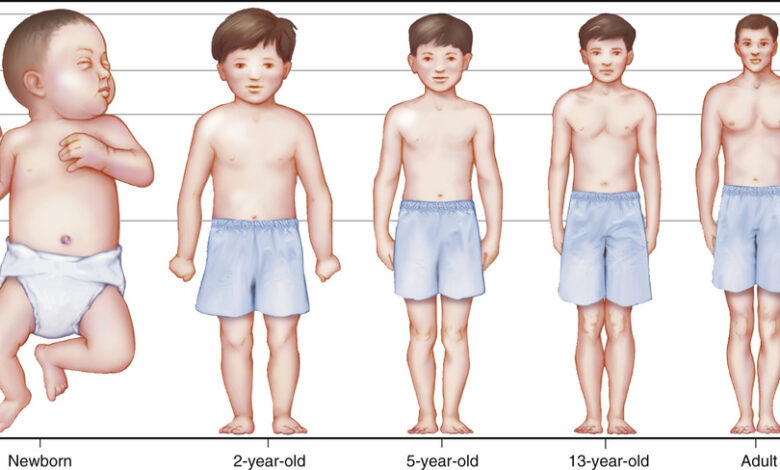
Growth and development are the foundation of lifelong health. From infancy through adolescence, children experience rapid physical, cognitive, emotional, and social changes that shape their future well-being. Supporting healthy development early helps prevent delays, improves academic performance, and strengthens mental resilience.
Global health authorities such as the World Health Organization emphasize that early development determines long-term health, learning capacity, and productivity in adulthood.
JOIN OUR WHATSAPP GROUP FOR MORE UPDATES
What Is Growth and Development?
Although often used together, growth and development describe different processes:
Growth refers to measurable physical changes such as:
- Height
- Weight
- Organ development
- Brain size
- Muscle and bone growth
Development refers to functional changes in skills and abilities, including:
- Thinking and learning
- Emotional maturity
- Language and communication
- Social interaction
- Movement and coordination
Monitoring both ensures a child is progressing in a healthy and age-appropriate way.
Key Areas of Growth and Development
1. Physical Growth
Physical growth is most rapid during infancy and puberty. Proper nutrition, sleep, and physical activity are critical during these periods.
Healthy physical growth includes:
- Steady height and weight gain
- Strong bones and muscles
- Healthy body composition
- Puberty progression during adolescence
The Centers for Disease Control and Prevention provides standardized growth charts used worldwide.
2. Cognitive Development
Cognitive development shapes how children think, learn, and solve problems.
This includes:
- Memory development
- Attention span
- Problem-solving skills
- Academic readiness
- Decision-making ability
Early stimulation, reading, and interactive learning significantly improve brain development.
3. Emotional Development
Emotional growth helps children understand feelings and build resilience.
Healthy emotional development involves:
- Recognizing emotions
- Expressing feelings safely
- Building self-confidence
- Coping with stress
- Developing empathy
Emotional intelligence in childhood is linked to stronger mental health later in life.
4. Social Development
Social skills influence relationships and communication.
Children develop socially by learning to:
- Share and cooperate
- Build friendships
- Resolve conflicts
- Respect boundaries
- Communicate effectively
Positive family and school environments play a major role.
5. Language and Communication Development
Language skills are essential for learning and social interaction.
Milestones include:
- First words
- Sentence formation
- Vocabulary growth
- Reading readiness
- Clear speech
Delays in speech or comprehension may require early professional support.
6. Motor Skill Development
Motor skills affect movement and coordination.
Gross motor skills involve large movements:
- Crawling
- Walking
- Running
- Jumping
Fine motor skills involve small precise actions:
- Writing
- Drawing
- Buttoning clothes
- Hand-eye coordination
Active play supports strong motor development.
Why Early Monitoring Matters
Early identification of developmental delays allows timely intervention. Children who receive support early often catch up quickly and perform better academically and socially.
Health agencies like the UNICEF stress that investing in early childhood development yields lifelong benefits.
Factors That Influence Healthy Development
Several factors shape growth and development:
- Balanced nutrition
- Safe home environment
- Quality education
- Regular health checkups
- Emotional support
- Physical activity
- Adequate sleep
- Reduced exposure to toxins
Supporting Healthy Growth at Every Stage
Infants (0-2 years)
- Breastfeeding and proper feeding
- Sensory stimulation
- Secure attachment with caregivers
Early Childhood (3-8 years)
- Play-based learning
- Social skill building
- Structured routines
Preteens & Teens (9-19 years)
- Puberty education
- Mental health support
- Balanced nutrition
- Physical activity
- Digital safety guidance
Adolescence is a second critical window of rapid growth and brain development.
ALSO READ
- Teen Mental Health: A Complete Guide for Parents and Adolescents
- Healthy Limits for Digital Use in Children: How to Keep Screen Time Safe and Balanced
- Emotional Intelligence: The Skill That Changes Everything
When to Seek Professional Help
Parents and caregivers should consult health professionals if a child shows:
- Delayed speech
- Poor growth patterns
- Difficulty learning
- Limited social interaction
- Loss of previously learned skills
Routine screenings help detect concerns early.
Healthy growth and development are essential for a child’s future success. With proper nutrition, supportive environments, and regular monitoring, children and teens can reach their full physical and developmental potential. Investing early creates healthier adults and stronger communities.
JOIN OUR WHATSAPP GROUP FOR MORE UPDATES
Sources
- World Health Organization- Early Childhood Development.
- Centers for Disease Control and Prevention- Child Development Basics & Developmental Milestones.
- UNICEF- Early Childhood Development Overview.
- National Health Service- Child Development Stages.
- Mayo Clinic- Infant and Child Development: Milestones.
- World Health Organization 2018- Nurturing Care Framework for Early Childhood Development.
Written by:
Laura Mlambo – Health & Wellness Blogger
Medically Reviewed by:
This article was reviewed by the OhHealthWorld Editorial Review Team using credible health resources and public health guidance to ensure accuracy and clarity for readers. Information is intended to support general wellness education and should not replace advice from a qualified healthcare professional.
Last Updated:
21 March 2026
Medical Disclaimer:
The information provided in this article is for educational purposes only and should not replace professional medical advice. Always consult a qualified healthcare professional before making decisions about medical screenings, treatments, or lifestyle changes.