In 2026, the health and wellness landscape is evolving rapidly, with nutrition and fitness trends shifting toward personalization, holistic well-being, and science-backed approaches. Staying ahead of these trends can help you make smarter health choices, improve energy, and maintain long-term wellness.
JOIN OUR WHATSAPP GROUP FOR MORE UPDATES
1. GLP‑1 and Appetite Regulation: The Weight Management Revolution
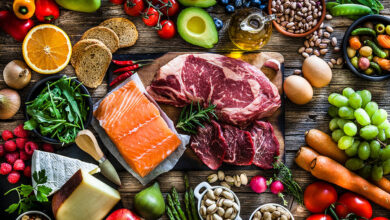
GLP‑1 (Glucagon-Like Peptide 1) is one of the most talked-about trends in 2026 nutrition. Originally used in medical settings to regulate blood sugar, GLP‑1 now informs dietary supplements and functional foods designed to support appetite control and metabolism. Incorporating natural foods that stabilize blood sugar, such as high-fiber vegetables, legumes, and whole grains, can complement these modern approaches. For teens and children, balanced diets rich in fruits, vegetables, and whole grains support growth and cognitive development. Adults and seniors benefit from protein-rich meals to preserve muscle and energy levels as well as preventing chronic diseases.
The Harvard T.H. Chan School of Public Health emphasizes building meals using a balanced plate model, combining vegetables, whole grains, and protein for optimal health.
Tip: Pair fiber-rich meals with protein sources like beans, eggs, or lean poultry to help manage cravings naturally.
2. Gut Health and Functional Foods
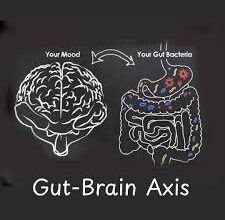
Gut health remains a cornerstone of wellness. Consumers are increasingly seeking prebiotics, probiotics, and fermented foods to support digestion, immunity, and mental health. Foods like kimchi, kefir, sauerkraut, and high-fiber fruits are gaining popularity as part of everyday diets as they are known to keep the microbiome strong and maintain a healthy gut environment (National Institutes of Health) .
Tip: Start your day with a probiotic-rich yogurt parfait or a fermented smoothie to boost gut microbiome diversity. Incorporate gut-friendly snacks or a small portion of fermented vegetables daily.
3. Protein Beyond Muscle: Mainstream Nutrition
High-protein diets are no longer just for athletes. Protein plays a crucial role in energy, satiety, and muscle maintenance, particularly for women and older adults. Plant-based proteins such as lentils, chickpeas, and quinoa are seeing a surge in adoption alongside traditional animal-based sources.
Tip: Add a protein source to every meal to support metabolism and energy throughout the day.
4. Fun, Accessible Fitness: Rebounding and Hybrid Workouts
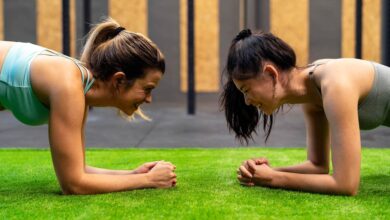
Fitness trends are emphasizing enjoyment and accessibility. Rebounding (mini-trampoline workouts) has become a viral fitness phenomenon, offering low-impact cardio that improves coordination and burns calories. Pilates and hybrid workouts combining strength, flexibility, and mobility are also growing in popularity, appealing to those seeking holistic fitness routines. Rebounding (mini-trampoline workouts), hybrid workouts, Pilates, and interval training appeal to men, women, teens, and even active kids. Fun, low-impact fitness routines increase consistency and reduce injury risk.
Tip: Dedicate 20–30 minutes a day to a fun, low-impact activity like rebounding, Pilates, or resistance band circuits for lasting results. Encourage family fitness sessions.
The Centers for Disease Control and Prevention recommends at least 150 minutes of moderate-intensity exercise per week for adults and regular activity for children and teens. Meanwhile, the American College of Sports Medicine highlights trends like home workouts, functional training, and low-impact exercises such as walking, Pilates, and resistance training.
5. Personalized, Tech-Driven Health Solutions
AI-driven fitness apps and wearable devices are transforming how we approach exercise and nutrition. Personalized recommendations based on activity levels, sleep, and health metrics help optimize results while preventing burnout. Continuous glucose monitors, heart rate trackers, and AI meal planners allow users to make data-driven wellness decisions.
Tip: Track your sleep, activity, and nutrition weekly to identify patterns and adjust your routine for better health outcomes.
6. Holistic Wellness: Integrating Mind, Body, and Nutrition
In 2026, wellness is more holistic than ever. Mental health, stress management, and recovery are integrated into fitness plans. Mindful eating, meditation, and adequate sleep are recognized as critical components of physical performance and overall well-being. Additionally, the “food as medicine” philosophy encourages choosing nutrient-dense foods to prevent chronic disease.
According to the World Health Organization, mental health is a state of well-being that allows individuals to cope with daily stress and function effectively. The National Health Service recommends combining physical activity, proper sleep, and social connection to improve mental health outcomes.
Tip: Include mindfulness exercises, a consistent sleep schedule, and nutrient-rich meals as part of your daily routine.
ALSO READ
Conclusion
The 2026 trends in nutrition and fitness emphasize personalization, fun, and science-backed approaches. From GLP-1 and gut health to rebounding workouts and AI-powered coaching, there’s never been a better time to optimize your health. By integrating these trends into your daily routine, you can improve energy, manage weight effectively, and support long-term wellness.
JOIN OUR WHATSAPP GROUP FOR MORE UPDATES
Sources
- World Health Organization –Healthy Diet; Mental Health Overview
- Centers for Disease Control and Prevention – Physical Activity Basics; Chronic Disease Prevention and Health Promotion
- National Health Service – Mental Wellbeing
- Harvard T.H. Chan School of Public Health – The Nutrition Source: Healthy Eating Plate
- National Institutes of Health – Human Microbiome Research
- Mayo Clinic – Healthy Lifestyle
- American College of Sports Medicine – Worldwide Survey of Fitness Trends
- Cleveland Clinic – Gut Health and Digestive System Insights
Written by:
Laura Mlambo – Health & Wellness Blogger
Medically Reviewed by:
This article was reviewed by the OhHealthWorld Editorial Review Team using credible health resources and public health guidance to ensure accuracy and clarity for readers. Information is intended to support general wellness education and should not replace advice from a qualified healthcare professional.
Last Updated:
13 March 2026
Medical Disclaimer:
The information provided in this article is for educational purposes only and should not replace professional medical advice. This article is for informational purposes only and is not a substitute for professional medical advice. Always consult a healthcare professional before making changes to your diet or exercise routine.