Uterine fibroids are common, noncancerous growths that develop in or on the uterus. Also known as leiomyomas, fibroids affect many women during their reproductive years and can vary widely in size and symptoms. While some women have no noticeable issues, others may experience heavy menstrual bleeding, pelvic pain, or fertility challenges.
Here’s what you need to know about uterine fibroids, including symptoms, causes, treatment options, and ways to manage them.
JOIN OUR WHATSAPP GROUP FOR MORE UPDATES
What Are Uterine Fibroids?
Uterine fibroids are growths made of muscle and connective tissue that form in the wall of the uterus. They can range in size from very small (undetectable without imaging) to large masses that can enlarge the abdomen. According to the Mayo Clinic, fibroids are very common and many women may have them without even knowing.
There are several types of fibroids based on where they grow:
- Intramural fibroids: Develop within the muscular wall of the uterus
- Submucosal fibroids: Grow into the uterine cavity
- Subserosal fibroids: Form on the outer surface of the uterus
- Pedunculated fibroids: Attached to the uterus by a stalk
A woman may have one fibroid or multiple at the same time.
Symptoms of Uterine Fibroids
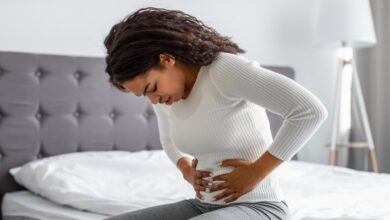
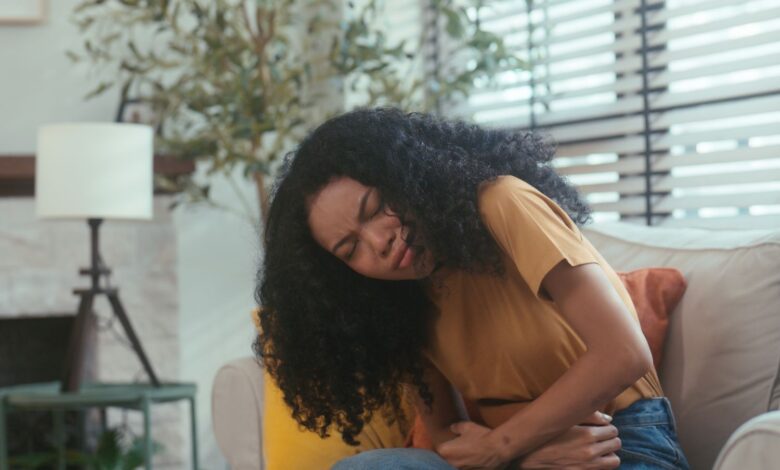
Some women with fibroids have no symptoms. When symptoms occur, they may include:
- Heavy or prolonged menstrual periods
- Pelvic pain or pressure
- Frequent urination
- Constipation
- Lower back pain
- Pain during intercourse
- Enlarged or swollen abdomen
The Cleveland Clinic notes that heavy bleeding is one of the most common symptoms and can sometimes lead to iron-deficiency anemia, causing fatigue and weakness.
What Causes Uterine Fibroids?
The exact cause of uterine fibroids is not fully understood, but several factors are believed to contribute.
Hormones
Estrogen and progesterone hormones that regulate the menstrual cycle appear to stimulate fibroid growth. Fibroids often shrink after menopause when hormone levels decrease. Research highlighted by the Johns Hopkins Medicine shows that fibroids tend to grow during reproductive years when hormone levels are higher.
Genetics
A family history of fibroids may increase your risk.
Age
Fibroids are most common during the reproductive years, particularly between ages 30 and 50.
Lifestyle Factors
Obesity, poor diet, and limited physical activity may be associated with a higher risk of developing fibroids.
How Are Uterine Fibroids Diagnosed?
Healthcare providers typically diagnose fibroids through:
- Pelvic exam: May detect an enlarged or irregular uterus
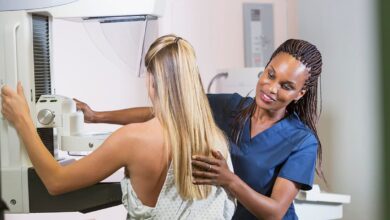
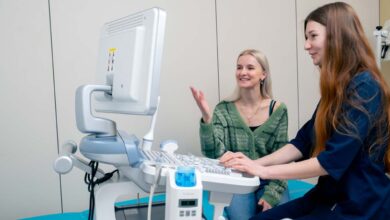
- Ultrasound: Common imaging test to confirm fibroids
- MRI: Sometimes used for detailed imaging
If you experience ongoing symptoms, a medical evaluation can help determine the cause and appropriate treatment. The U.S. Food and Drug Administration emphasizes that fibroids can vary greatly in size and number, which is why imaging is important for accurate diagnosis.
Treatment Options for Uterine Fibroids
Treatment depends on symptom severity, fibroid size, age, and whether pregnancy is desired.
Watchful Waiting
If fibroids are small and not causing symptoms, your healthcare provider may recommend monitoring them over time.
Medications
Hormonal therapies and other medications may help reduce heavy bleeding and relieve pain.
Minimally Invasive Procedures
Procedures such as uterine artery embolization can shrink fibroids without major surgery.
Surgery
- Myomectomy: Removes fibroids while preserving the uterus
- Hysterectomy: Removes the uterus and permanently eliminates fibroids
Your healthcare provider can help determine the best option for your situation.
Can Lifestyle Changes Help?
Lifestyle changes cannot cure fibroids, but they may help manage symptoms and support overall reproductive health.
- Eat a balanced diet rich in fruits, vegetables, whole grains, and lean protein
- Maintain a healthy weight
- Engage in regular physical activity
- Manage stress through relaxation techniques
- Ensure adequate iron intake if experiencing heavy bleeding
Always speak with a healthcare professional before trying supplements or alternative therapies.
ALSO READ
- 7 Lifestyle Habits That Help Manage Uterine Fibroids Naturally
- What is Endometriosis? A Deep Dive Into Symptoms, Impact & Care
- Important Preventive Health Screenings Every Woman Over 40 Needs for Long-Term Wellness
When to See a Doctor
Seek medical care if you experience:
- Severe pelvic pain
- Very heavy or prolonged menstrual bleeding
- Rapid abdominal growth
- Signs of anemia such as fatigue or dizziness
Prompt evaluation can help prevent complications and provide symptom relief.
Uterine fibroids are common and often manageable. While they are typically noncancerous, they can significantly impact quality of life for some women. Understanding the symptoms, causes, and treatment options can help you take proactive steps toward better reproductive health.
If you suspect you may have uterine fibroids, consult a qualified healthcare provider for diagnosis and personalized treatment guidance.
JOIN OUR WHATSAPP GROUP FOR MORE UPDATES
Sources
- Mayo Clinic-Uterine Fibroids. Symptoms and Causes
- Cleveland Clinic- Uterine Fibroids Overview, Symptoms, and Treatment
- Mayo Clinic-Uterine Fibroids. Diagnosis and Treatment
- Johns Hopkins Medicine-Uterine Fibroids Overview
- U.S. Food and Drug Administration- Uterine Fibroids. Women’s Health Topic
- Mayo Clinic-Uterine Fibroids. Overview & Risk Factors
Written by:
Laura Mlambo – Health & Wellness Blogger
Medically Reviewed by:
This article was reviewed by the OhHealthWorld Editorial Review Team using credible health resources and public health guidance to ensure accuracy and clarity for readers. Information is intended to support general wellness education and should not replace advice from a qualified healthcare professional.
Last Updated:
12 March 2026
Medical Disclaimer:
The information provided in this article is for educational purposes only and should not replace professional medical advice. Always consult a qualified healthcare professional before making decisions about medical screenings, treatments, or lifestyle changes.