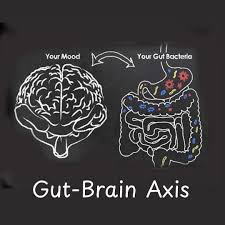
The gut-brain connection explains why you might feel “butterflies” in your stomach before a big event or lose your appetite when stressed. Your digestive system and your brain are constantly communicating through a complex network of nerves, hormones, and gut bacteria. This communication system, often called the gut-brain axis, plays an important role in mood, stress response, and overall mental health.
Understanding how the gut-brain connection works can help you make simple lifestyle changes that support both digestion and emotional wellbeing.
JOIN OUR WHATSAPP GROUP FOR MORE UPDATES
What Is the Gut-Brain Connection?
The gut-brain connection refers to the two-way communication between your central nervous system (brain and spinal cord) and your enteric nervous system (the network of nerves in your digestive tract).
Your gut is sometimes called the “second brain” because it contains millions of nerve cells and produces many of the same neurotransmitters found in the brain. One key example is serotonin, a chemical that helps regulate mood, sleep, and appetite. In fact, most of the body’s serotonin is produced in the gut.
Your gut is home to trillions of microorganisms, collectively known as the gut microbiome, which play a crucial role in this communication. When your gut bacteria are balanced, they help support healthy brain function. When they are disrupted, it may influence mood and stress levels.
According to Harvard Medical School, the gut and brain communicate through neural, hormonal, and immune pathways, which is why emotional stress can directly affect digestion.
How the Gut and Brain Communicate
The gut and brain stay connected through several pathways:
The Vagus Nerve
This major nerve acts like a communication highway between the gut and the brain, sending signals in both directions.
Neurotransmitters
Gut bacteria help produce mood-related chemicals like serotonin and dopamine, which influence emotional wellbeing.
Immune and Inflammatory Responses
An imbalance in gut bacteria can trigger inflammation. Chronic inflammation has been linked to mental health concerns such as anxiety and depression.
Stress Signals
The connection works both ways. Psychological stress can alter digestion, leading to symptoms like bloating, stomach discomfort, or changes in appetite.
How Gut Health Affects Mental Health
A healthy gut supports emotional balance, while an imbalanced gut may contribute to mental health challenges.
The Mayo Clinic notes that gut health may influence conditions like anxiety and depression through its effects on inflammation and neurotransmitter production. Disruptions in gut bacteria can affect mood, stress response, and overall mental wellbeing. Explore more on mind-body nutrition in our article.
Signs Your Gut Health May Be Affecting Your Mood
While digestive and mental health symptoms can have many causes, the following may suggest an imbalance in the gut-brain axis:
- Frequent bloating or digestive discomfort
- Brain fog or difficulty concentrating
- Mood swings
- Fatigue
- Increased anxiety or irritability
If symptoms are persistent or severe, it’s important to consult a qualified healthcare professional for evaluation.
How to Support a Healthy Gut-Brain Connection
Improving the gut-brain connection doesn’t require extreme dieting. Small, consistent habits can make a meaningful difference.
Eat More Fiber
Fiber feeds beneficial gut bacteria. Good sources include:
- Vegetables
- Fruits
- Beans and lentils
- Whole grains
- Oats
Increase fiber gradually to avoid digestive discomfort.
Include Fermented Foods
Fermented foods provide probiotics that help support gut balance. Consider adding:
- Yogurt with live cultures
- Kefir
- Sauerkraut
- Kimchi
Limit Ultra-Processed Foods
Highly processed foods and excess sugar may disrupt the gut microbiome. Focus on whole, minimally processed meals when possible.
Manage Stress
Chronic stress can negatively affect gut health. The Johns Hopkins Medicine emphasizes that stress can negatively affect digestion, making stress management essential. Support your gut-brain axis by:
- Getting adequate sleep
- Practicing deep breathing
- Exercising regularly
- Taking time for relaxation
Stay Hydrated
Drinking enough water supports digestion and nutrient absorption, helping maintain a healthy gut environment.
ALSO READ
- Healthy Limits for Digital Use in Children: How to Keep Screen Time Safe and Balanced
- Childhood Trauma in Adulthood: When the Past Quietly Follows You
- Emotional Intelligence: The Skill That Changes Everything
Why the Gut-Brain Connection Matters
The gut-brain connection highlights how closely physical and mental health are linked. Digestive health doesn’t just affect how you process food, it can influence mood, energy levels, and cognitive function.
Supporting gut health may contribute to:
- Improved emotional balance
- Better focus and clarity
- More stable energy levels
- Reduced digestive discomfort
While nutrition alone is not a cure for mental health conditions, maintaining a healthy gut can be an important part of a comprehensive wellness approach. The World Health Organization supports a holistic approach to health, emphasizing the importance of biological and lifestyle factors in mental wellbeing.
JOIN OUR WHATSAPP GROUP FOR MORE UPDATES
The gut-brain connection is a powerful reminder that your body systems work together. Your gut and brain are in constant communication, influencing how you feel both physically and emotionally.
By prioritizing fiber-rich foods, incorporating fermented options, reducing ultra-processed foods, and managing stress, you can help strengthen this connection naturally and support your overall health in the process.
Sources
- Harvard Medical School-The Gut-Brain Connection
- National Institutes of Health-The Microbiome–Gut-Brain Axis
- Johns Hopkins Medicine-The Brain-Gut Connection
- Mayo Clinic-Gut Health and Mental Health
- World Health Organization-Mental Health Overview
Written by:
Laura Mlambo- Health & Wellness Blogger
Medically Reviewed by:
This article was reviewed by the OhHealthWorld Editorial Review Team using credible health resources and public health guidance to ensure accuracy and clarity for readers. Information is intended to support general wellness education and should not replace advice from a qualified healthcare professional.
Last Updated:
12 March 2026
Medical Disclaimer:
The information provided in this article is for educational purposes only and should not replace professional medical advice. Always consult a qualified healthcare professional before making decisions about medical screenings, treatments, or lifestyle changes.